


Imagine answering a knock at your door to an enthusiastic salesperson promising “free” solar panels and immediate zero-dollar electricity bills. Six months later, you're stuck with unexpected monthly payments, a system producing less power than advertised, and the sinking realization that the deal wasn't as sweet as it sounded. Unfortunately, stories like this are common in 2026 as the solar industry expands rapidly.
Homeowners across the country are eager to reduce rising electricity costs and gain energy independence, yet many fall victim to aggressive tactics and misleading promises. This comprehensive guide delivers straightforward, honest solar advice to help you navigate the market safely. You'll learn how to recognize and avoid solar panel scams, vet trustworthy installers, select quality equipment, and—most importantly—build your own accurate solar ROI calculator using realistic 2026 numbers. By the end, you'll have the knowledge and tools to make a confident, profitable solar decision.
25-Year Cumulative Savings vs Net System Cost
Estimated Residential Solar ROI Based on Utility Savings Growth
Assumptions: Net system cost = $19,600 after incentives; annual utility savings increase ~2%; panel degradation 0.5% annually.
Common Solar Panel Scams in 2026: Real-Life Examples
The solar boom has created opportunities for both legitimate businesses and opportunistic scammers. Here are the most prevalent issues homeowners encounter today, drawn from real-life user experiences.
“Free Solar Panels” or Zero-Down Miracles
One of the most seductive pitches claims you can get a full solar system installed at no upfront cost through “government programs” or utility partnerships. In practice, these offers typically involve 20- to 25-year leases or power purchase agreements (PPAs) where you pay a fixed rate per kilowatt-hour that often increases annually by 2-3%.
A Midwestern family shared how they were told their electricity would be free, only to discover after signing that their monthly payments to the solar company started at $120 and escalated yearly. Over the contract term, they would pay significantly more than continuing with their utility. These arrangements can also complicate home sales because the lease must be transferred or paid off.
High-Pressure Door-to-Door and Fake Urgency Tactics
Sales teams frequently show up uninvited, sometimes wearing uniforms resembling utility workers. They warn that federal incentives will expire tomorrow or that rates are about to skyrocket. One retiree in California signed the same afternoon after being told the “special pricing” ended at 5 PM. The system was oversized for their usage, and the promised savings evaporated once real production data came in.
🚨 Solar Scam Red Flags 2026
Watch out for these warning signs before signing any solar contract.
Time Pressure
Urgent deadlines and pressure to sign immediately.
No-Touch Contract
Refusal to provide copies or allow independent review.
Upfront Payments
Large deposits requested before permits or approvals.
Unclear Terms
Hidden clauses and confusing contract language.
1. Time Pressure
- Pressure to sign immediately
- Claims the offer expires today or this week
2. No-Touch Contract
- Refuses to leave a physical contract copy
- Discourages legal or professional review
3. Upfront Costs
- Large deposits before permits are approved
- "Free solar" still requires upfront payment
4. Unclear Terms
- Vague contract language
- Hidden escalator clauses
- Automatic renewal terms
5. Promises of Free Solar
- Claims of "free government solar"
- Lease/PPA costs hidden behind zero-down offers
6. Unrealistic Savings Claims
- Guaranteed 70–100% bill elimination
- Promises payback in under 5–6 years without assessment
7. No Physical Address or Website
- No verifiable local address
- No professional website
- Only reachable through personal phone numbers
8. Vague Company Information
- High-pressure sales tactics
- No transparent company history
- No references available
9. Unlicensed or Unregistered
- Missing required state licenses
- No NABCEP certification
- No proof of insurance
10. No Third-Party Verification
- Refuses to provide customer references
- Avoids BBB and independent review platforms
Wildly Inflated Savings and Payback Claims
Proposals often project 70-100% bill reductions and payback periods of 4-6 years. Real-world outcomes frequently show 30-50% savings and 8-12 year paybacks. A Texas homeowner reported being guaranteed $2,400 annual savings but achieved only $950 in the first full year due to shading issues that were downplayed during the sales visit and optimistic weather assumptions.
Financing Traps and Hidden Contract Terms
Some loans feature balloon payments at the end, high interest rates disguised in monthly figures, or clauses making the agreement non-transferable when selling the home. Warranties may sound impressive but prove difficult to claim once the original installer goes out of business or stops responding.
Substandard or Misrepresented Equipment
Low-efficiency or refurbished panels are sometimes marketed as premium high-wattage modules. Buyers discover later that performance drops faster than expected or that replacement parts are unavailable.
Red Flags Checklist
- Promises of completely “free” solar or guaranteed exact dollar savings without a site visit.
- Pressure to sign the same day or within 24-48 hours.
- Unlicensed salespeople or companies without clear physical addresses.
- Requests for large upfront deposits before permits are filed.
- Contracts with confusing escalator clauses or heavy early-exit penalties.
- Lack of transparent production estimates using tools like PVWatts.
- No local references or recent installation photos from your area.
Protecting yourself starts with slowing down. Never sign under pressure, and always have a trusted advisor or attorney review documents before committing. These real-life examples highlight how quickly a promising opportunity can turn costly.
How to Vet Installers and Protect Yourself
Choosing the right installer is as important as selecting the right equipment. A professional, reputable company can make the difference between a high-performing system and ongoing headaches.
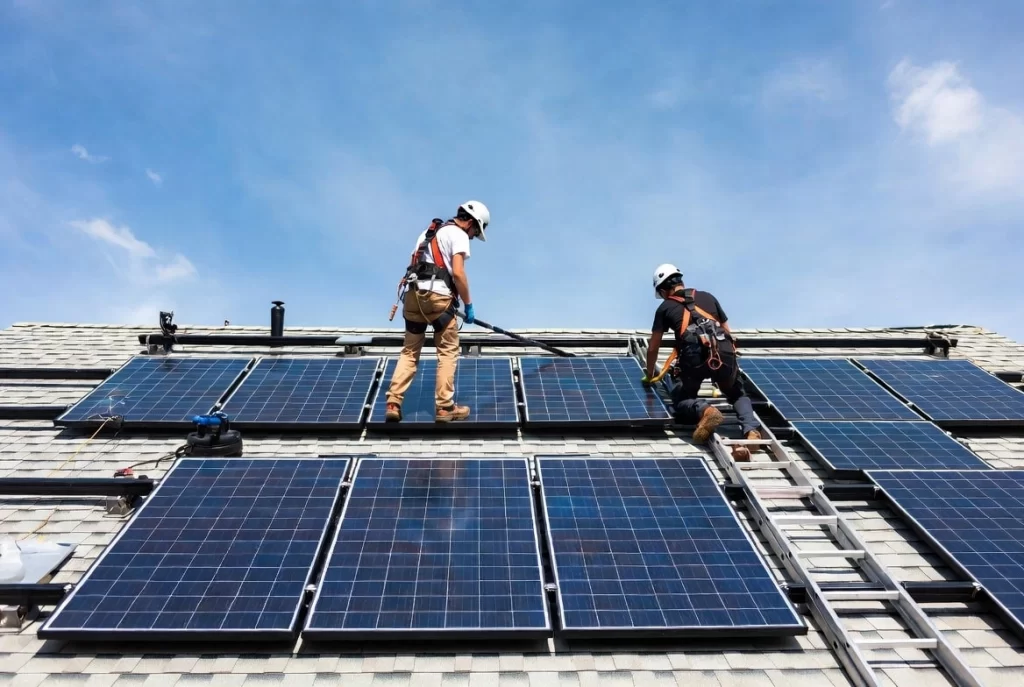
Begin by confirming credentials. Ensure the company holds proper state contractor licenses, carries adequate liability and workers' compensation insurance, and has NABCEP-certified installers on staff. Check the Better Business Bureau rating and search for recent customer reviews on independent platforms. Look for companies with several years of local experience rather than new entrants chasing quick incentives.
Request at least three to five detailed quotes from different providers. Compare not just price, but system size, panel and inverter brands, expected annual production, warranty lengths, and net cost after all incentives. Be wary of any bid that seems dramatically lower than others — it often reflects cheaper components or cut corners on labor.
Carefully review every contract clause. Strong agreements include:
- Clear production guarantees with remedies if output falls short.
- Workmanship warranties of 10–25 years.
- Panel and inverter warranties (typically 25 years for panels, 10–12+ for inverters).
- Transferability terms for when you sell your home.
- Detailed timelines for installation and interconnection.
Dangerous red flags in contracts include vague language around performance, high early termination fees, automatic renewal clauses, or requirements that you use only the company's monitoring system.
Ask for recent local references and, if possible, visit one or two installed homes to see the quality of work firsthand. Reputable installers welcome scrutiny and provide conservative, site-specific projections instead of aggressive sales hype.
Use official resources such as your state's consumer protection office, the Federal Trade Commission solar consumer alerts, and the Department of Energy's homeowner guides. Taking these verification steps dramatically reduces your risk and increases the likelihood of a smooth, high-value installation.
Choosing Reliable Solar Panels and Components
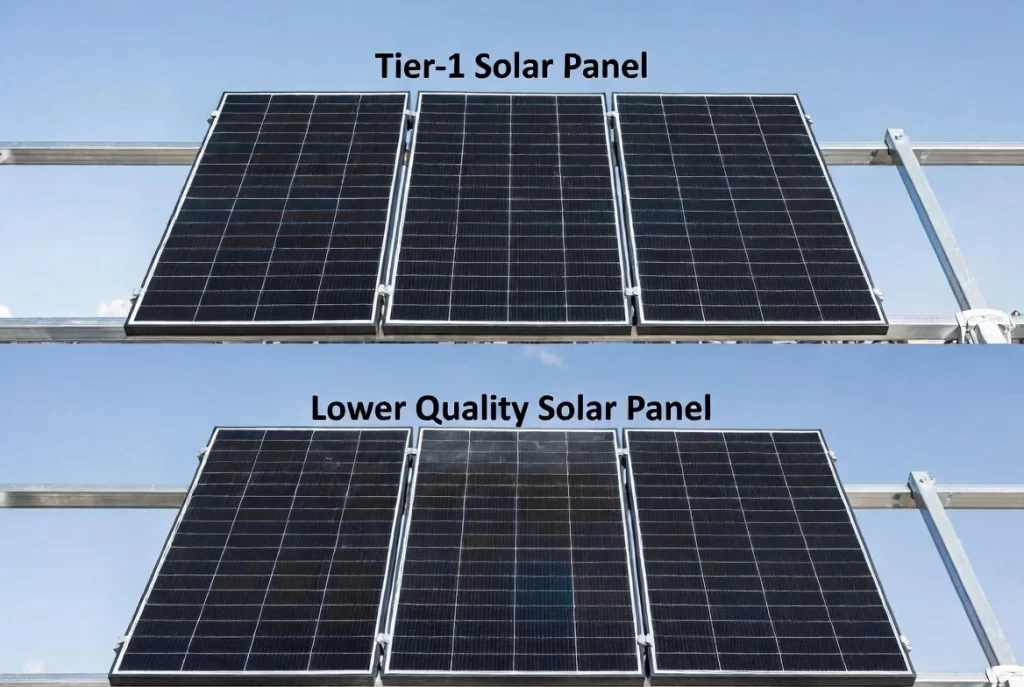
Panel quality is a primary driver of long-term performance and your overall return on investment. In 2026's competitive market, focus on proven specifications rather than flashy marketing claims.
Modern high-wattage panels in the 600W–750W range from established Tier-1 manufacturers often provide the best balance of efficiency, durability, and value, particularly for homes with limited roof space. Look for low annual degradation rates — premium panels typically lose only 0.3–0.5% output per year, retaining 87–92% of original capacity after 25 years.
Other critical factors include temperature coefficients (how well panels perform in heat), hail resistance ratings, and strong linear performance warranties. Inverters deserve equal attention: string inverters, microinverters, and hybrid systems each have advantages depending on your roof layout and desire for battery storage.
For a detailed technical comparison of today's leading performers, see our The Ultimate Guide to High-Efficiency Solar Panels: Powering the Future with 600W+ Technology.
Battery storage is increasingly popular for homeowners facing time-of-use rates or frequent outages. Quality mounting systems and monitoring platforms that deliver real-time production data further protect your investment.
Honest solar advice here is simple: prioritize reliability and manufacturer support over the absolute lowest price. A slightly higher initial investment in proven components usually delivers significantly better lifetime performance and fewer service issues.
Calculating True Solar ROI in 2026: Step-by-Step Framework
Sales proposals often rely on optimistic assumptions. Building your own solar ROI calculator with conservative inputs gives you the clearest picture of potential returns.
2026 National Baseline Example
An average residential system might range from 8–12 kW. Gross installed cost typically falls between $2.50–$3.50 per watt before incentives. With the federal Investment Tax Credit (ITC) at 30% and possible state or utility rebates, net cost for many homeowners lands between $15,000 and $25,000.
Payback Period Comparison (Years)
Comparing optimistic sales proposals with realistic and conservative solar ROI scenarios.
Net System Cost: $19,600 (after incentives)
System Size: 8.5 kW
Starting Utility Rate: $0.19/kWh
Annual Production and utility escalation vary by scenario.
Step-by-Step Solar ROI Calculator
- Calculate Net Upfront Cost
Subtract all incentives, tax credits, cash discounts, and rebates from the gross price. - Estimate Realistic Annual Production
Use NREL's PVWatts calculator. Input your exact address, roof pitch, azimuth, and shading analysis. Apply annual degradation of 0.5%. - Project Annual Savings
Multiply production by your current utility rate. Add reasonable escalation (2–4% per year based on historical trends). Factor in your state's net metering policy. - Account for Ongoing Costs
Budget $100–200 annually for maintenance and insurance. Plan for inverter replacement around year 10–15 ($2,000–$5,000) and potential battery upgrades. - Run 25–30 Year Projections
Include degradation, inflation, and possible home value increase (often $15,000–$25,000 according to appraisal studies). - Key Metrics to Track
- Payback Period: Usually 7–12 years with strong incentives.
- ROI Percentage: Many well-designed systems deliver 8–15%+ annualized returns.
- Internal Rate of Return (IRR) and Net Present Value (NPV).
- Levelized Cost of Energy (LCOE): Often 6–10 cents per kWh versus rising retail rates.
Example Scenario (8.5 kW system, California-adjacent climate, $0.19/kWh rate)
- Gross cost: $28,000
- Net cost after 30% ITC: $19,600
- Year 1 production: ~13,000 kWh → ~$2,470 savings
- 25-year cumulative savings (with 3% rate escalation): ~$78,000+
- Payback: 8.5 years
- 25-year ROI: Strong positive returns even in conservative scenarios.
Create a simple spreadsheet or use online tools, then test “what-if” situations — what if production is 10% lower? What if utility rates rise only 1.5% annually? This sensitivity analysis reveals the true risk and reward. Real-life users who performed these calculations before signing reported far higher satisfaction than those who relied solely on sales presentations.
Other Factors That Determine Long-Term Value
Beyond direct financial metrics, several additional elements influence your solar experience. Net metering policies vary by state and utility — some offer full retail credit while others use lower export rates. Understanding your specific rules is essential for accurate projections.
Battery storage adds flexibility for backup power during outages and helps maximize savings under time-of-use pricing. Although batteries increase upfront cost, falling prices and improved incentives make them attractive for many households in 2026.
Solar installations frequently increase home resale value, with buyers willing to pay a premium for lower future energy costs. Proper system monitoring through manufacturer apps allows early detection of performance issues. Routine maintenance, such as occasional panel cleaning in dusty areas, helps sustain optimal output.
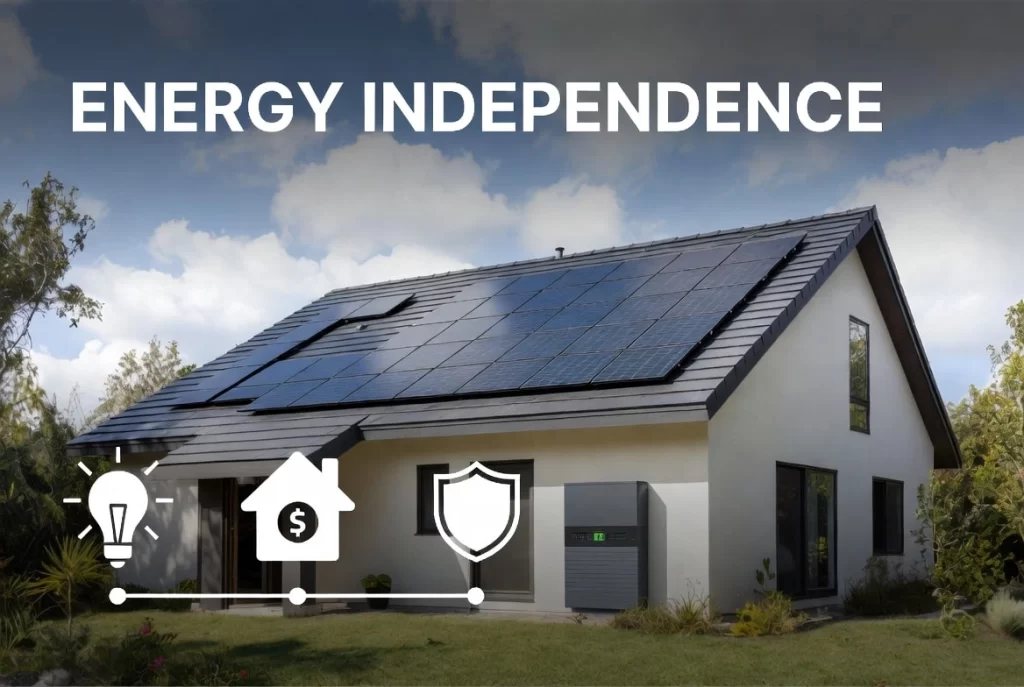
Finally, many homeowners value the non-financial benefits: greater energy independence, reduced carbon footprint, and protection against future utility rate hikes.
Conclusion and Next Steps
Solar energy in 2026 continues to offer compelling financial and environmental benefits for most homeowners — provided you avoid solar panel scams and base decisions on accurate math rather than hype. The combination of strong incentives, improving technology, and rising electricity rates creates a favorable environment when approached thoughtfully.
Take action today with these steps:
- Gather and review your last 12 months of electricity bills.
- Obtain at least three detailed quotes from vetted local installers.
- Build your personal solar ROI calculator using conservative assumptions.
- Schedule consultations with transparent companies focused on honest solar advice.
At Sunpal, we prioritize clear communication, quality equipment, and realistic projections to help families make informed choices. Solar, when done correctly, delivers decades of lower energy costs, increased home value, and greater peace of mind.
Start your journey with knowledge and confidence. The right system can be one of the smartest investments you make this year.
Frequently Asked Questions (FAQs)
The most frequent solar panel scams include “free solar” leases or PPAs with hidden escalating payments, high-pressure door-to-door sales with fake urgency, wildly inflated savings promises, and financing contracts with balloon payments or non-transferable clauses. Always watch for pressure to sign quickly or guarantees that sound too good to be true.
Use this straightforward framework: calculate net cost after incentives, estimate realistic production with tools like PVWatts, project savings with utility rate escalation, subtract ongoing costs, and factor in degradation over 25–30 years. Track payback period, ROI percentage, IRR, NPV, and LCOE. Conservative assumptions give the most reliable results.
Yes, the federal ITC remains one of the strongest incentives. It typically reduces your net system cost by 30%. Always confirm current rules with a tax professional and your installer, as additional state or utility rebates can further lower costs.
Verify state licenses, NABCEP certifications, insurance coverage, and BBB ratings. Request multiple quotes, check recent local references, and review the contract for clear production guarantees, workmanship warranties, and transferability terms. Reputable companies provide conservative projections and welcome questions.
Most “free solar” offers are not truly free. They usually involve long-term leases or power purchase agreements where you pay the solar company for the electricity generated. These deals often end up costing more over time than buying a system outright with incentives. Carefully compare total lifetime costs.
Focus on Tier-1 manufacturers, high-efficiency 600W–750W panels, low degradation rates (0.3–0.5% per year), strong temperature performance, and 25–30 year warranties. For detailed technical comparisons of top high-power options, read The Ultimate Guide to 600W-750W High-Power Solar Panels in 2026.
With current incentives and good sunlight, most homeowners see payback in 7–12 years. Payback depends on your location, electricity rates, system size, and net cost after incentives. Well-designed systems often deliver strong returns over the full 25+ year lifespan.
Yes. Multiple appraisal studies show solar systems can add $15,000–$25,000 or more to a home's value, depending on system size and local market conditions. Buyers appreciate lower future energy bills and energy independence.
Solar systems are low-maintenance. Expect to spend $100–200 per year on basic upkeep, occasional panel cleaning (especially in dusty areas), and monitoring through manufacturer apps. Inverter replacement is typically needed around years 10–15. Quality installations require very little intervention.
Yes. Modern system design, microinverters, and battery storage can overcome shading, orientation challenges, or partial roof limitations. A professional site assessment will provide realistic production estimates so you can make an informed decision based on accurate numbers rather than sales hype.