


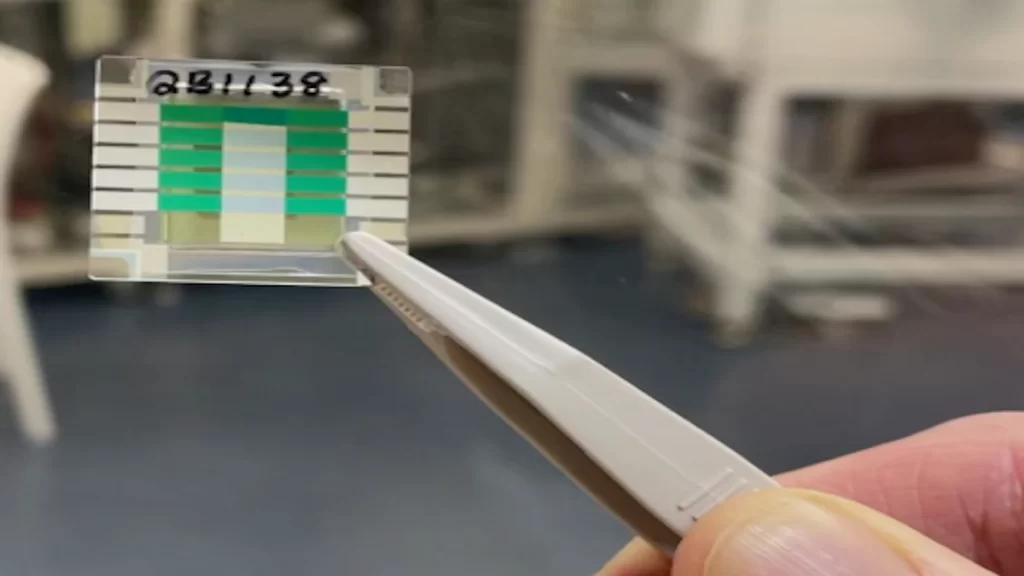
In March 2026, Australia's national science agency CSIRO, together with collaborators from RMIT University and the University of Melbourne, announced a landmark achievement: the world's first fully functioning proof-of-concept quantum battery prototype. This tiny device, roughly the size of a 20-cent coin, completes a full charge-store-discharge cycle using quantum principles rather than traditional electrochemistry.
The news quickly captured headlines worldwide. A battery that charges faster as it gets bigger? Wireless laser charging in femtoseconds? It sounds like science fiction moving into the lab. For solar installers, project developers, distributors, and commercial energy users, this breakthrough raises exciting questions about the future of energy storage. Yet it also highlights a critical reality: while frontier research pushes boundaries, today's proven, bankable solutions must power real-world projects right now.
At Sunpal, we specialize in turning advanced but mature energy storage technology into reliable, profitable systems for our partners. This article explores the CSIRO quantum battery breakthrough, its implications, the current state of energy storage technologies, and why LiFePO4 (lithium iron phosphate) remains the most practical, high-performance choice for commercial and residential solar-plus-storage applications in 2026 and beyond.
Understanding the Quantum Battery Breakthrough
Traditional batteries, such as the lithium-ion cells in your smartphone or electric vehicle, rely on electrochemical reactions: ions shuttle between anode and cathode, storing and releasing energy through chemical bonds. Quantum batteries operate on an entirely different principle—harnessing collective quantum effects like superposition and entanglement.
The core innovation demonstrated by the CSIRO team is “superabsorption” (also called superextensive absorption). In this phenomenon, multiple quantum units (in this case, molecules in a multi-layered organic microcavity) work together to absorb photons more efficiently than they would individually. As the number of these units increases, the charging speed improves dramatically—counter to classical batteries, where larger size usually means longer charging times.
Key details of the prototype:
- It is a layered organic microcavity device charged wirelessly via a laser beam across open space.
- Charging occurs in femtoseconds (quadrillionths of a second).
- Stored energy lasts for nanoseconds—six orders of magnitude longer than previous quantum experiments, but still extremely brief by practical standards.
- The team successfully demonstrated a complete cycle: charge, store, and discharge into electrical current.
- Lead researcher Dr. James Quach of CSIRO noted that the prototype operates at room temperature and showcases scalable charging behavior.
This is a genuine scientific milestone—the first time a quantum battery has moved beyond theoretical models or partial demonstrations to a working proof-of-concept. The research was published in the journal Light: Science & Applications.
Potential long-term advantages if the technology matures:
- Extremely rapid charging for consumer electronics, drones, or even electric vehicles.
- Possible wireless or long-distance energy transfer.
- Higher theoretical efficiency in specific niche applications due to reduced energy loss during absorption.
However, the current prototype stores only a minuscule amount of energy—roughly equivalent to a tiny fraction of the energy in a flying mosquito. It is far from powering any practical device, let alone competing with commercial batteries.
Watch the CSIRO Quantum Battery Explainer Video
Realistic Challenges on the Path to Commercialization
Experts emphasize that quantum batteries remain in the very early laboratory stage. Significant engineering and materials science hurdles must be overcome before they approach real-world viability:
- Energy Density and Storage Duration — Current storage time is measured in nanoseconds. Practical batteries need hours or days of stable retention.
- Scalability and Manufacturing — Producing large-scale, stable quantum systems at room temperature with consistent performance is enormously complex.
- Cost and Integration — Organic microcavities and precise laser control do not yet lend themselves to mass production economics.
- Safety and Longevity — Any commercial battery must endure thousands of cycles, extreme temperatures, and real-world abuse without degradation.
Conservative estimates suggest that even optimistic commercialization timelines point to 10–20+ years for meaningful applications in consumer or grid-scale storage. Quantum batteries are more likely to complement rather than replace existing technologies in the near-to-medium term.
This timeline is typical for breakthrough energy technologies. Lithium-ion batteries themselves took decades from early research to widespread commercial adoption. The quantum prototype is best viewed as inspirational foundational science that validates a new paradigm, not an immediate market disruptor.
The Current Energy Storage Landscape: From Lab Concepts to Deployed Reality
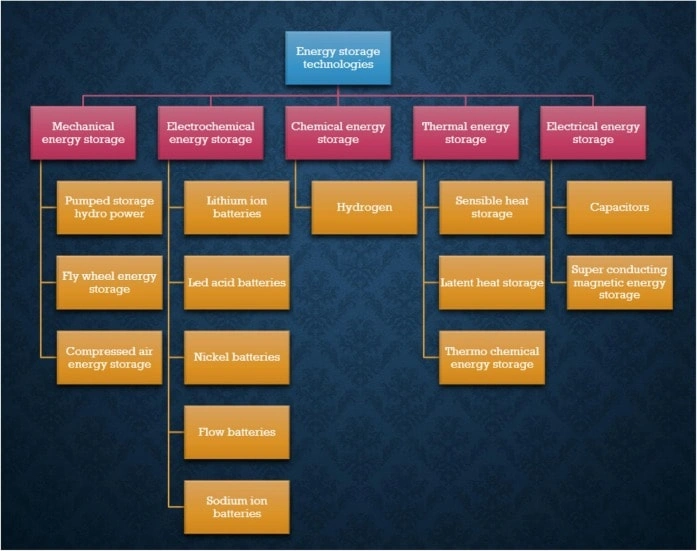
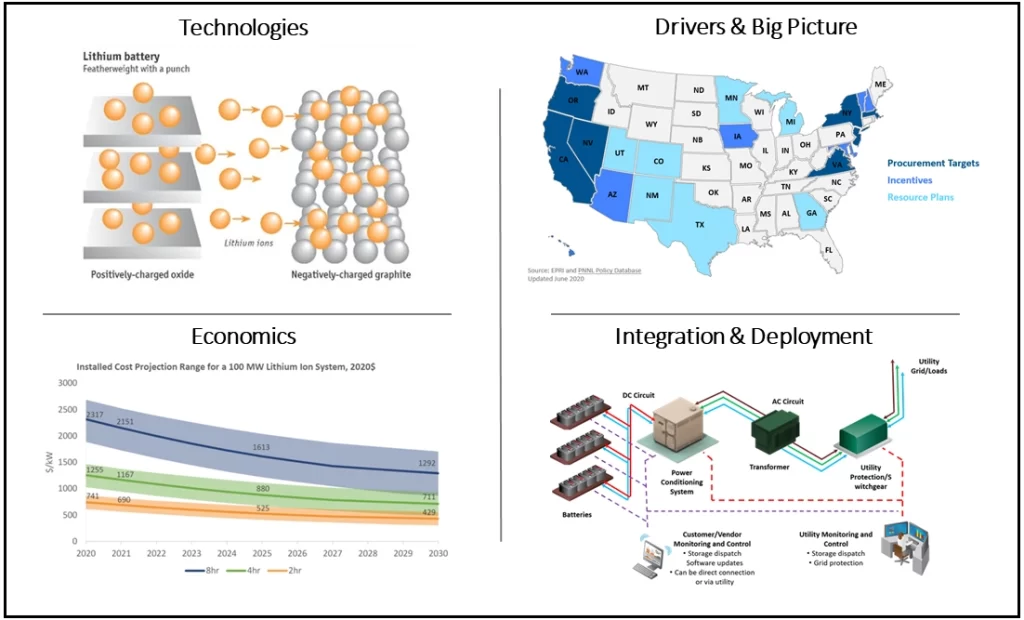
While quantum research advances, the global energy storage market is exploding with demand driven by renewable energy integration, peak shaving, energy independence, and electrification. Stationary storage deployments continue rapid growth, with lithium-based systems dominating new installations due to their balance of performance, cost, and maturity.
Mainstream technologies in 2026:
- Pumped hydro — Still the largest by capacity but geographically limited and slow to deploy.
- Flow batteries — Excellent for long-duration storage but lower energy density.
- Hydrogen and emerging alternatives — Promising for seasonal storage but face efficiency and infrastructure challenges.
- Lithium-ion family — The workhorse for most solar-plus-storage projects.
Within lithium-ion, two main chemistries compete: Nickel-based (NMC/NCA) and Lithium Iron Phosphate (LiFePO4 or LFP). LiFePO4 has emerged as the clear leader for stationary storage and many commercial applications.
Why LiFePO4 Delivers Proven Performance Today
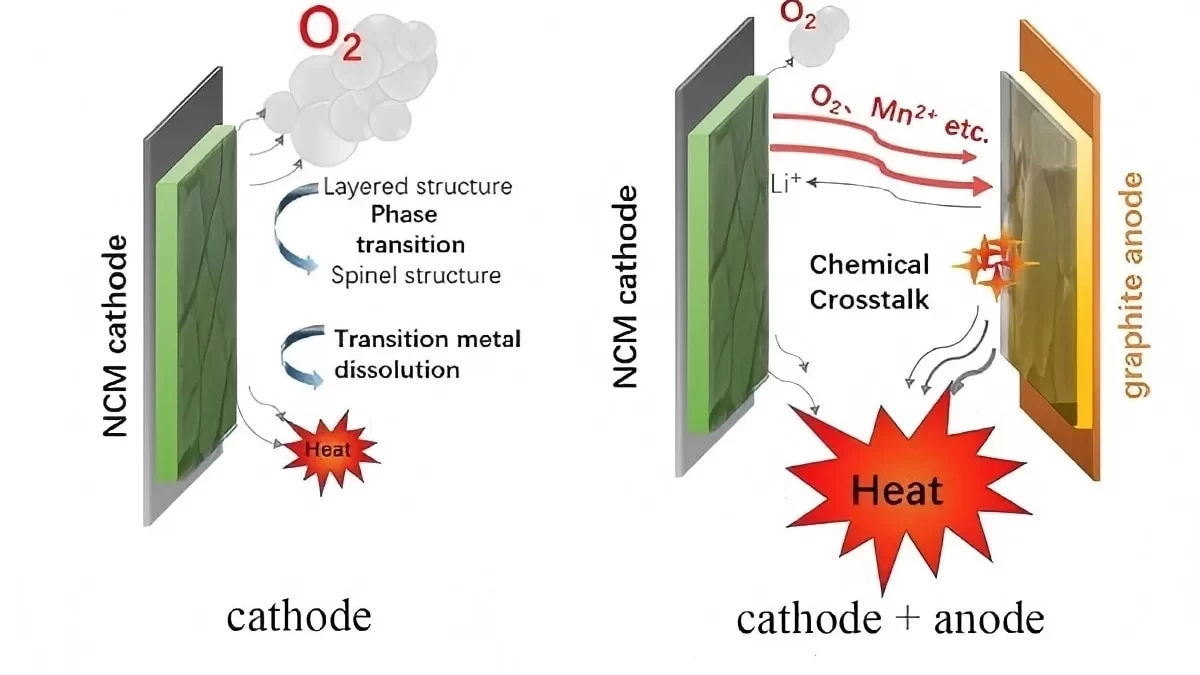
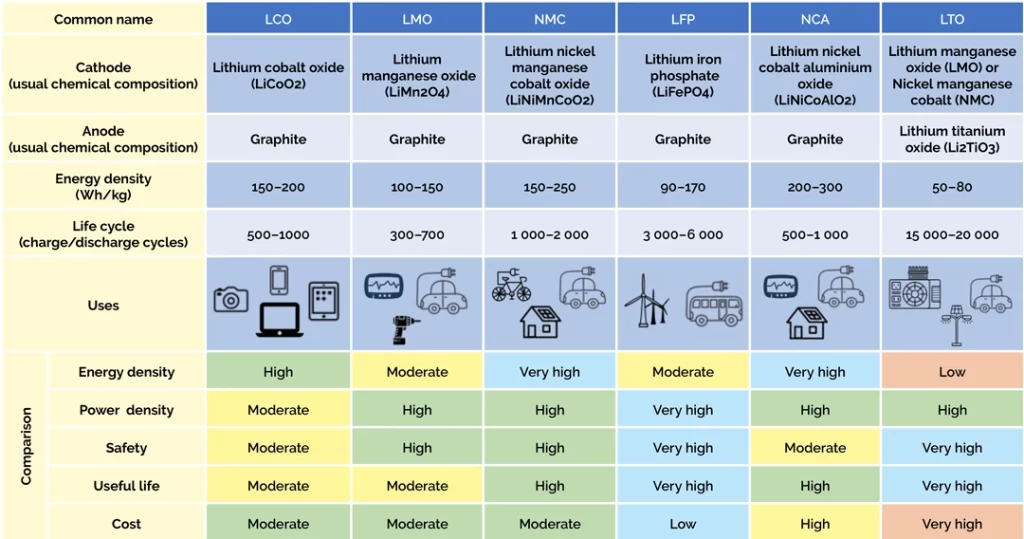
LiFePO4 chemistry offers a compelling combination of attributes that directly address the needs of solar project developers and end users—needs that quantum batteries cannot yet approach:
Safety First
LiFePO4 is inherently thermally stable. It resists thermal runaway, does not burn easily, and contains no cobalt or nickel that raise toxicity or ethical sourcing concerns. This makes it ideal for residential installations, commercial buildings, and sites with strict fire safety requirements.
Long Cycle Life
High-quality LiFePO4 cells routinely deliver 6,500+ cycles at 80-90% depth of discharge, equating to 10–15+ years of daily use in solar applications. This dramatically lowers the total cost of ownership compared to shorter-life alternatives.
Fast Charge/Discharge Capability
Modern LiFePO4 systems support high C-rates, enabling rapid response to grid signals, peak shaving, and efficient capture of solar generation—mirroring one of the key promises of quantum concepts but available at commercial scale today.
Cost-Effectiveness and Supply Chain Maturity
Prices have continued to decline, with LFP offering excellent value per kWh for energy storage use cases. Global manufacturing scale ensures reliable supply and competitive pricing.
Temperature Performance and Reliability
LiFePO4 performs well across wide temperature ranges and maintains capacity better over time than many alternatives.
Environmental Profile
Lower reliance on critical minerals and higher recyclability contribute to better sustainability credentials.
In short, while quantum batteries explore revolutionary principles, LiFePO4 represents the pinnacle of commercially viable, proven technology that delivers immediate ROI for solar + storage projects.
Sunpal's LiFePO4 Energy Storage Solutions: Built for Real-World Success
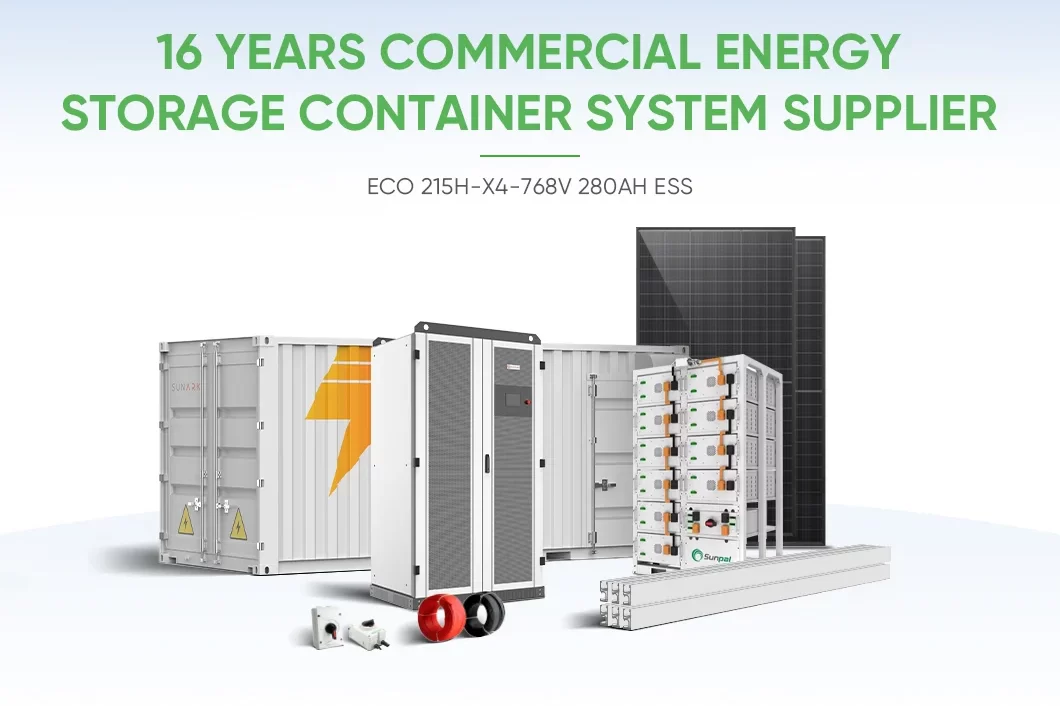
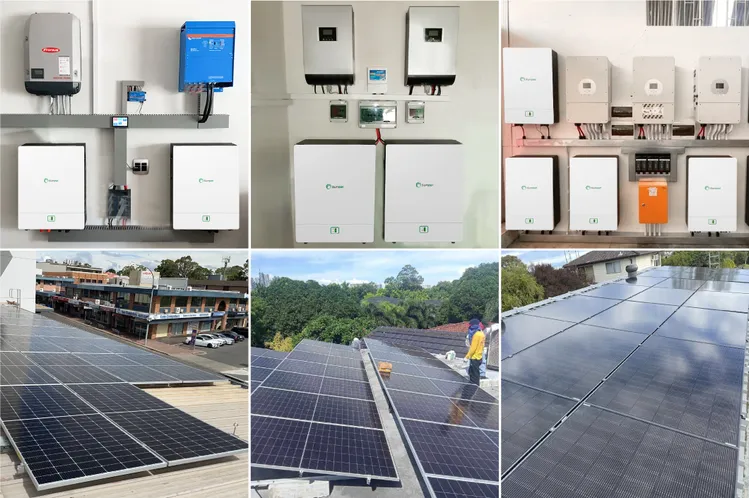
At Sunpal, we have focused our expertise on delivering mature LiFePO4 systems that integrate seamlessly with solar installations. Our residential, commercial, and containerized ESS products are engineered for reliability, ease of deployment, and long-term profitability.
Key product highlights include:
- Modular wall-mounted and rack-mounted batteries (5kWh, 10kWh, and higher capacities) with 48V/51.2V architectures.
- High-voltage stackable systems for larger commercial and industrial applications.
- Containerized solutions up to MWh scale with advanced liquid cooling, intelligent BMS, and robust thermal management.
- Grade A cells with >6500 cycles, built-in multi-layer BMS protection, and compatibility with major inverters via CAN/RS485 communication.
Our systems emphasize high charge/discharge rates that support fast energy arbitrage and solar self-consumption—addressing the same “rapid response” needs that quantum research aims for in the distant future. Safety certifications, rigorous testing, and real project track records give our partners confidence when bidding and installing.
Real project benefits our customers see:
- Peak shaving and time-of-use arbitrage that improve payback periods.
- Backup power reliability during outages.
- Optimized solar utilization, reducing grid dependence.
- Scalable designs that grow with customer needs.
While the industry excitedly follows quantum developments, Sunpal's approach remains grounded: select the most advanced proven technology and deliver it in reliable, customer-focused packages.
Technology Spectrum: Lab Exploration vs. Commercial Reality
Imagine energy storage as a spectrum:
- Far left (Exploratory): Quantum batteries – revolutionary principles, femtosecond charging, proof-of-concept only.
- Emerging: Sodium-ion, advanced solid-state, flow batteries – improving but still scaling.
- Mature & Dominant: LiFePO4 – safe, long-life, cost-effective, deployable at scale today.
Sunpal sits firmly on the right side of this spectrum, helping partners deploy solutions that work profitably now while keeping an eye on future innovations.
Interactive Energy Storage Technology Maturity Spectrum
Energy Storage Maturity Spectrum (2026)
Quantum Batteries
Sodium-ion & Solid-state
LiFePO4 (LFP) – Sunpal Technology
Hover for quick info • Click for detailed comparison
Commercial Opportunities for Distributors and Developers (2026–2030)
The next five years will see continued strong growth in distributed and commercial & industrial (C&I) storage. Key drivers include rising renewable penetration and grid stability needs, favorable policies for energy independence, and declining battery costs combined with volatile energy prices.
For partners, the winning strategy is to focus on technologies with predictable performance, strong warranties, and clear ROI calculations. LiFePO4 systems excel here. Quantum or other frontier tech may create exciting marketing narratives, but actual project finance and customer satisfaction depend on what can be installed confidently today.
We recommend evaluating suppliers on cycle life, safety data, integration ease, local support, and bankability—criteria where Sunpal consistently delivers.
Conclusion: Embrace the Future While Succeeding Today
The CSIRO quantum battery prototype is a brilliant demonstration of human ingenuity and the power of quantum science. It offers a glimpse of potential ultra-fast, efficient energy storage paradigms that could reshape industries decades from now.
For solar businesses, project developers, and end users who need solutions in 2026, the message is clear: the most responsible and profitable path is to deploy mature, high-performance LiFePO4 technology. This approach delivers safety, longevity, rapid response, and strong returns—exactly what the market demands.
At Sunpal, we are committed to proven innovation. While the world watches quantum research with fascination, we continue refining and delivering LiFePO4 energy storage systems that power real projects today and will continue performing reliably for years to come.
Ready to build your next solar + storage success story?
- Download our Commercial LiFePO4 Energy Storage Selection & ROI Guide for detailed comparisons, payback calculators, and project case studies.
- Schedule a 15-minute consultation with our technical experts to discuss your specific requirements.
- Explore our full range of residential and commercial ESS solutions at https://www.sunpalsolar.com/commercial/.
The future of energy storage is bright. Partner with Sunpal to make the most of today's best technology while staying ahead of tomorrow's breakthroughs.
Frequently Asked Questions (FAQ)
1. What is the CSIRO quantum battery prototype and why is it significant?
The CSIRO quantum battery is the world's first fully functional proof-of-concept device that uses quantum principles (superabsorption effect) rather than traditional electrochemistry. It successfully completes a full charge-store-discharge cycle at room temperature. While it represents a genuine scientific breakthrough, the prototype is still in the very early laboratory stage and stores only a minuscule amount of energy.
2. How does the quantum battery's “superabsorption” effect differ from traditional battery charging?
Unlike conventional lithium-ion batteries, where larger capacity usually means slower charging, the quantum battery's superabsorption allows multiple quantum units to work together. As the number of units increases, charging speed actually becomes faster. This is a fundamentally different behavior enabled by quantum mechanics, but it has only been demonstrated at tiny scale so far.
3. When will quantum batteries be commercially available for real-world applications?
Experts estimate that meaningful commercial applications are still 10–20+ years away. Significant challenges remain in energy density, long-term storage stability, scalable manufacturing, and cost. The current prototype is inspirational science, not yet a market-ready product.
4. Are quantum batteries safer or more efficient than today's LiFePO4 batteries?
At present, quantum batteries cannot be compared directly on safety or efficiency because they are not yet practical devices. LiFePO4 chemistry already offers proven advantages: exceptional thermal stability (no thermal runaway), 6,500+ cycles, and high charge/discharge rates that meet most commercial needs today.
5. Why does Sunpal recommend LiFePO4 instead of waiting for quantum battery technology?
While quantum research is exciting, solar and commercial projects need reliable, bankable solutions right now. LiFePO4 delivers immediate ROI through safety, long lifespan, fast response, and mature supply chains. Waiting for unproven future tech risks missing today's profitable opportunities in solar + storage.
6. Can Sunpal's LiFePO4 systems already provide the fast charging that quantum batteries promise?
Yes. Modern Sunpal LiFePO4 systems support high C-rates, enabling rapid charge and discharge for peak shaving, solar self-consumption, and grid services — exactly the kind of fast response that quantum concepts aim for in the distant future, but available and proven at commercial scale today.
7. What are the main benefits of choosing Sunpal LiFePO4 energy storage for my solar projects?
Sunpal's LiFePO4 solutions offer >6,500 cycles, multi-layer BMS safety protection, seamless inverter compatibility, modular scalability (5 kWh to MWh), wide temperature performance, and strong ROI through peak shaving and energy arbitrage. Our systems are certified, field-proven, and backed by local technical support.
8. How will quantum battery research affect my current investment decisions in energy storage?
Quantum advances are long-term and will likely complement rather than replace existing technologies in the next decade. The smartest strategy is to deploy mature LiFePO4 systems now for immediate returns while staying informed about future innovations. Sunpal's solutions are designed to remain competitive and upgradable as the industry evolves.