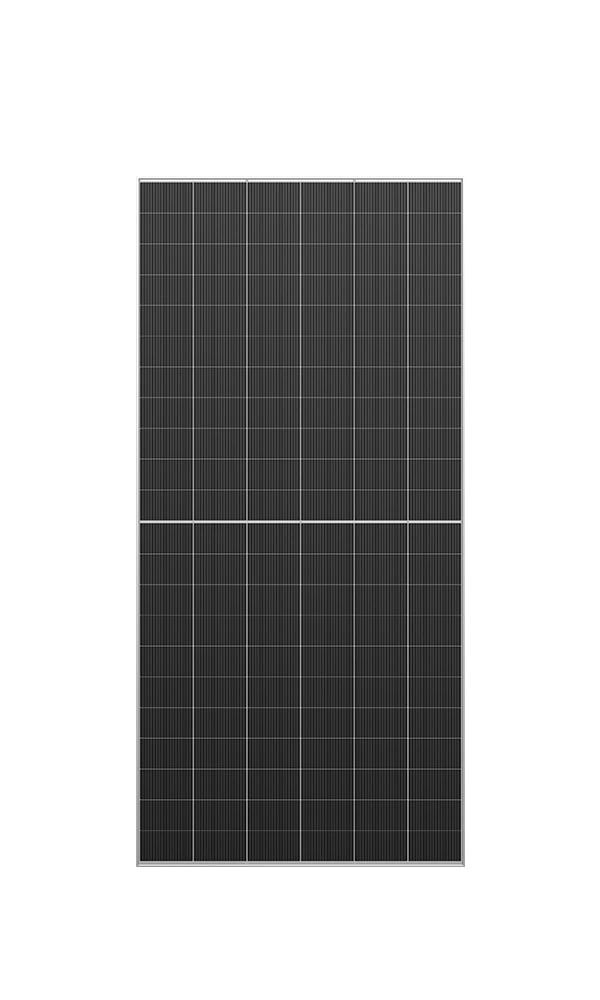
If you’ve heard people rave about HJT and wondered what the fuss is about, here’s the simple version: HJT ( Heterojunction with Intrinsic Thin-layer ) is a type of solar cell that fuses two worlds—high-quality crystalline silicon in the middle, wrapped on both sides with ultra-thin layers of amorphous silicon. That sandwich structure slashes electron losses, so more sunlight turns into electricity all day, in all kinds of weather.
1. Why I consider HJT superior (in plain English)
1.1 Higher real-world energy yield: Because HJT cells waste fewer electrons and handle heat better, I typically see them produce a few percent more kilowatt-hours per kW than mainstream PERC modules under the same conditions. That may sound small, but over 25–30 years it adds up.
1.2 Better performance in heat: HJT’s temperature coefficient is commonly around −0.24 to −0.26%/°C, noticeably better than many conventional panels. Translation: on hot rooftops, HJT drops less in output, so I keep more of the power I paid for.
1.3 Excellent low-light behavior: Sunrise, cloudy days, late afternoon—HJT tends to wake up earlier and stay productive later, squeezing more energy out of the same sky.
1.4 Very low degradation: With negligible light-induced degradation (LID) and strong resistance to LeTID, HJT usually holds its performance better over decades, which is exactly what I want from a long-term asset.
1.5 High bifacial gain potential: HJT modules often have 85–95% bifaciality. If I use a reflective surface (light gravel, bright membrane, white paint, or high-albedo ground), I can harvest extra energy from the back side.
1.6 Cooler manufacturing physics, fewer micro-defects: HJT is made at lower temperatures, which is gentler on the wafer. Fewer defects inside the cell means cleaner electron flow and better longevity.
1.7 Beautiful, uniform look: If curb appeal matters, HJT’s uniform dark aesthetic (often in glass-glass) looks premium without sacrificing performance.
1.8 Ready for the future: HJT plays nicely with next-gen upgrades such as copper plating (to reduce silver cost), ultra-thin wafers, and perovskite-on-HJT tandems. I like buying into a platform with a long runway.
2. Where I still keep my eyes open
2.1 Upfront price: HJT can cost a bit more today because of specialty layers and metallization. That gap is shrinking fast as manufacturers adopt silver-saving tech (like copper plating) and scale up, but I always run a lifetime-cost (LCOE) comparison, not just a sticker price check.
2.2 Availability: Not every brand has deep HJT experience yet. I stick with manufacturers that show strong yield data, warranties, and bankability.
3. Quick comparison at a glance
3.1 Efficiency potential: HJT is among the highest commercially available today, with strong roadmaps ahead.
3.2 Temperature coefficient: HJT typically wins, keeping more output in hot climates and on dark roofs.
3.3 Degradation and reliability: HJT shines with negligible LID and excellent long-term stability.
3.4 Bifacial performance: HJT’s bifaciality is generally higher, which can unlock extra energy in the right setup.
3.5 Cost trend: Historically higher, but falling as the supply chain matures and silver usage drops.
4. My bottom line
If I want the best blend of efficiency, heat resilience, low degradation, and long-term yield, I pick HJT. Even when it’s a touch pricier upfront, the extra energy and durability usually make the lifetime economics hard to beat—especially in hot or variable-weather locations and wherever bifacial makes sense.
5. FAQ: HJT solar, explained like a human
Q: 5.1 What does HJT actually stand for?
A: HJT means “Heterojunction with Intrinsic Thin-layer.” It’s a hybrid solar cell that combines a crystalline silicon wafer with ultra-thin amorphous silicon layers on both sides to reduce electron losses and boost efficiency.
Q: 5.2 How does HJT make more energy than standard panels?
A: Two big reasons: fewer internal losses (thanks to excellent surface passivation) and a better temperature coefficient. On real roofs and in real heat, HJT tends to keep more of its rated power, so my yearly kWh usually comes out higher.
Q: 5.3 Is HJT better than TOPCon or PERC?
A: For heat performance, low-light behavior, bifaciality, and long-term stability, I generally give HJT the edge. TOPCon can be very close on nameplate efficiency, but HJT often nudges ahead on actual energy yield—what I care about when the bill arrives.
Q: 5.4 What’s the temperature coefficient and why should I care?
A: It tells me how much power a panel loses as it gets hotter. With HJT around −0.24 to −0.26% per °C, I lose less power on hot days compared to many alternatives. In warm climates or on black roofs, that difference matters.
Q: 5.5 Does HJT really have lower degradation?
A: Yes, HJT is known for negligible light-induced degradation and strong resistance to other aging effects. I expect a steadier output curve year after year, which improves my long-term returns.
Q: 5.6 Do I need special inverters or racking for HJT?
A: Nope. HJT works with standard inverters, optimizers, and racking. If I go bifacial, I just make sure my design (tilt, height, surface reflectivity) lets the back side see light.
Q: 5.7 Is bifacial HJT worth it on a roof?
A: Often, yes. If I’ve got a light-colored roof or can add a reflective layer, bifacial HJT can deliver a noticeable bump in energy. On ground mounts with bright surfaces, it’s even better.
Q: 5.8 What about cold, cloudy, or northern climates?
A: HJT’s low-light and cold-weather performance is excellent. Cold boosts voltage, and HJT wakes early and stays late, which helps in short-day seasons.
Q: 5.9 Are there any downsides I should weigh?
A: Mainly price and availability. HJT can cost a bit more, and not every maker has the same experience. I stick to reputable brands with third-party test data and strong warranties.
Q: 5.10 How do I know if HJT will pay back for me?
A: I run a site-specific energy and financial model: local irradiance, roof temperature, shading, utility rates, incentives, and whether bifacial is viable. HJT often wins when heat and longevity are part of the equation.
Q: 5.11 Is HJT more sustainable?
A: HJT’s lower-temperature manufacturing can reduce thermal budgets, and many HJT modules use glass-glass designs with long service life. Longer life and higher yield both improve the sustainability story.
Q: 5.12 What should I look for when choosing HJT panels?
A: I focus on:
5.12.1 Proven manufacturer and bankability
5.12.2 Datasheet temperature coefficient and bifaciality
5.12.3 Independent yield data (field tests or third-party reports)
5.12.4 Robust warranty (product and performance)
5.12.5 Compatible BOS (inverter, racking) and a clean bifacial design if I plan to use it
6. A quick, persuasive wrap-up
If I want panels that hold their performance in heat, sip photons on gloomy days, degrade slowly, and keep pushing out extra energy year after year, I go HJT. It’s a smarter long-term bet for rooftops and utility arrays alike—and as costs keep sliding, the choice gets even easier.
Want help modeling the payoff for your site? Tell me your location, roof type, available space, and whether bifacial is an option. I’ll run a simple, clear comparison so you can see exactly how HJT stacks up for you.