


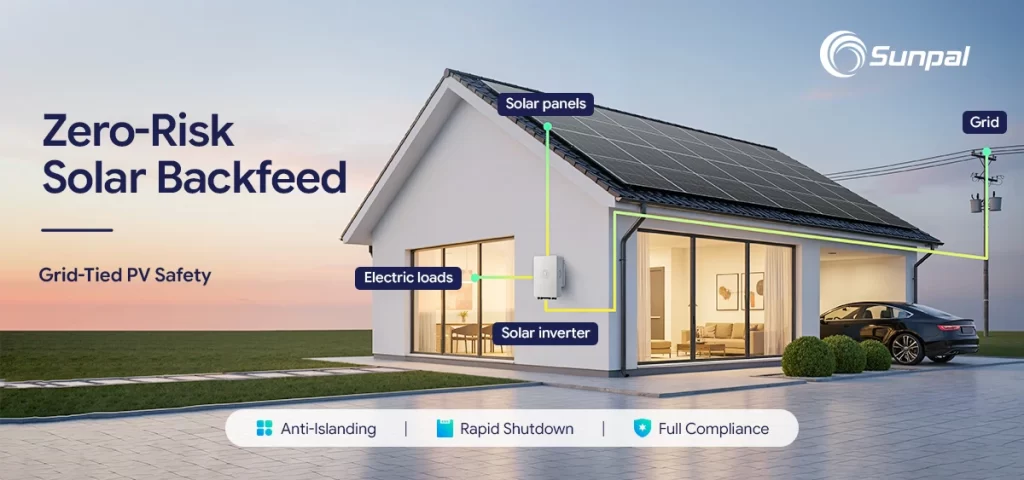
مع تقدم الطاقة المتجددة، تبحث الشركات وشركات الطاقة الشمسية بشكل متزايد عن "بروتوكولات السلامة للطاقة الشمسية المتصلة بالشبكة"، و"التخفيف من مخاطر التغذية العكسية للطاقة الشمسية"، و"التركيبات الكهروضوئية المتوافقة مع NEC" لحماية استثماراتها. في سوق تعد فيه أنظمة الطاقة الشمسية الكهروضوئية بفوائد استثمار طويل الأجل من خلال توليد الطاقة النظيفة، فإن إغفال مخاطر التغذية العكسية يمكن أن يؤدي إلى فترات توقف مكلفة، ومسؤوليات قانونية، ومخاطر تشغيلية. تشكل التغذية العكسية - حيث تتدفق الطاقة الشمسية الزائدة بشكل غير متوقع إلى شبكة المرافق أو الخطوط التي تم إلغاء تنشيطها - تهديدًا صامتًا تتصدى له بفعالية تقنية منع العزل الحديثة وأنظمة الإيقاف السريع. يتعمق هذا المقال في هذه الأساسيات من منظور تحسين الأعمال، ويسلط الضوء على كيفية تعزيز الوقاية الاستباقية لموثوقية النظام، وتقليل أقساط التأمين، وضمان التكامل السلس مع الشبكة. مع توقع إضافة 649 جيجاوات من القدرة الشمسية العالمية في عام 2026 وحده، فإن فهم هذه الإجراءات لا يتعلق بالسلامة فحسب، بل يتعلق بتأمين أصولك الشمسية للمستقبل لتحقيق أقصى قدر من الربحية.
في مشهد الطاقة الشمسية التنافسي اليوم، تهيمن مصطلحات مثل "العاكسات المضادة للانفصال للطاقة الشمسية"، و"منع التغذية العكسية للألواح الشمسية"، و"سلامة الطاقة الشمسية الكهروضوئية المتصلة بالشبكة" على عمليات البحث بين المثبتين والمؤسسات. من خلال دمج هذه الاستراتيجيات، تمكّن Sunpal العملاء من تحقيق إعدادات متوافقة وعالية الكفاءة تقلل المخاطر وتزيد من عائدات تصدير الطاقة.
ما هو التغذية الراجعة في أنظمة الطاقة الشمسية الكهروضوئية المتصلة بالشبكة؟
يشير الارتداد الخلفي في أنظمة الطاقة الشمسية الكهروضوئية (PV) إلى التدفق العكسي غير المقصود للكهرباء من الألواح المثبتة على الأسطح أو على الأرض إلى شبكة المرافق أو الدوائر الداخلية. تنشأ هذه الظاهرة بشكل أساسي في التكوينات المتصلة بالشبكة، حيث تقوم محولات الطاقة الشمسية بالمزامنة مع مصدر الطاقة الرئيسي لتصدير الطاقة الفائضة. في حين أن الارتداد الخلفي المتعمد يدعم قياس صافي الاستهلاك والحوافز المالية، فإن الحالات غير المنضبطة - خاصة أثناء انقطاع التيار الكهربائي - يمكن أن تزوّد خطوطًا يفترض أنها ميتة بالطاقة، مما يخلق "مخاطر الارتداد الخلفي للطاقة الشمسية" التي يجب على عمال المرافق والمستجيبين الأوائل التنقل فيها.
من منظور تجاري، تنطوي مخاطر التغذية العكسية على احتمال تأخير المشاريع وارتفاع التكاليف. بالنسبة لشركات الطاقة الشمسية التي تبحث عن "منع التغذية العكسية لمحولات الطاقة الشمسية"، من الضروري التمييز بين: التصدير الآمن والمقيس عبر الوصلات البينية المعتمدة من قبل مرافق الكهرباء، والذي يزيد من الأرباح، في حين أن التغذية العكسية الخطرة تنشأ عن أعطال مثل الأسلاك غير الصحيحة أو المعدات القديمة. وفقًا لتقارير الصناعة، أبلغت أكثر من 80% من مرافق الكهرباء عن تحديات في مراقبة التغذية العكسية مع تزايد انتشار الألواح الكهروضوئية. وهذا يؤكد الحاجة إلى استراتيجيات قوية "للتخفيف من مخاطر الطاقة الشمسية المرتبطة بالشبكة".
للتوضيح، تخيل إعدادًا نموذجيًا: تتدفق الطاقة عادةً من الشبكة إلى الأحمال، ولكن يمكن للتوليد الشمسي عكس هذا الاتجاه أثناء ذروة الإنتاج. في حالات انقطاع التيار الكهربائي، وبدون إجراءات وقائية، قد تستمر الألواح في إمداد الجهد، مما يؤدي إلى "مخاطر عزل نظام الألواح الكهروضوئية"."
تحليل البيانات 1: اتجاهات حدوث أحداث التغذية العكسية للشمس
تُسلط دراسات حديثة الضوء على الإرجاع العكسي باعتباره السبب الرئيسي للوفيات الكهربائية في القوى العاملة في المرافق. وتحليل البيانات من 2023-2025، شهدت الحوادث ارتفاعًا في المناطق ذات التبني السريع للطاقة الشمسية. على سبيل المثال:
| السنة | تقارير حوادث التغذية الراجعة (شركات المرافق الأمريكية) | الوفيات/الإصابات المرتبطة |
| 2023 | 150+ | 12 |
| 2024 | 220+ | 18 |
| 2025 | 300+ | 25+ |
يُظهر هذا الجدول، المستمد من التقارير المجمعة، زيادة في مؤشر 100% على مدى ثلاث سنوات، وهو ما يتوافق مع نمو الطاقة الشمسية. ويمكن للشركات التخفيف من هذه الزيادة من خلال إعطاء الأولوية لـ"عمليات تدقيق الامتثال لمعايير السلامة في مجال الطاقة الشمسية"، مما يقلل من التعرض للغرامات والمطالبات.
مخاطر حرجة لتدفق الطاقة الشمسية غير المُدار على الشركات
تؤدي التغذية الراجعة غير المنضبطة إلى تضخيم المخاطر في "دمج الخلايا الشمسية الشبكي"، محولة الأنظمة الفعالة إلى التزامات. المخاطر الرئيسية تشمل:
- تعريض عمال المرافق للخطر أثناء الصيانة، تصبح الخطوط المفترضة غير مكهربة حية، مما يساهم في الوفيات. تشير إحدى الدراسات إلى وجود تغذية راجعة في أكثر من 30 حالة خلال انقطاع واحد لـ 20 ألف مقر.
- تحميل زائد للعتاد وتلفه: قد تؤدي الطاقة العكسية إلى تحميل المحولات أو المحولات العاكسة فوق طاقتها، مما يشكل مخالفة لقاعدة قضبان التوصيل NEC 120% ويؤدي إلى أعطال تكلف آلاف الدولارات في الإصلاحات.
- مخاطر الحرائق والبنية التحتية: قد تؤدي زيادة الجهد الكهربائي الناتجة عن التغذية الراجعة إلى اندلاع حرائق أو تعطيل قطاعات حيوية مثل شبكات الرعاية الصحية.
- التداعيات القانونية والمالية تؤدي التركيبات غير المطابقة للمواصفات إلى رفع دعاوى قضائية، حيث يتزايد عدد عمليات البحث عن "المسؤولية القانونية المتعلقة بتغذية الشبكة بالطاقة الشمسية" بين الشركات. وقد ترتفع أقساط التأمين بنسبة 20-30٪ في غياب إجراءات وقائية مؤكدة.
بالنسبة للشركات العاملة في مجال الطاقة الشمسية التي تركز على "الوقاية من الظروف الخطرة المتعلقة بالطاقة الشمسية"، فإن هذه المخاطر تؤدي إلى تآكل عائد الاستثمار. فقد تواجه الشركة التي تقوم بتركيب أنظمة الطاقة الكهروضوئية دون تزويدها بآلية منع التشغيل المنفصل فترات توقف عن العمل، مما يؤدي إلى خسارة في الإيرادات قد تصل إلى 10,000 دولار شهريًا للمحطات متوسطة الحجم.
المخطط 1: النمو العالمي للطاقة الشمسية الكهروضوئية والتعرض للمخاطر المرتبطة به
مع توسع تركيبات الطاقة الشمسية، تتزايد أيضاً نقاط ضعف العودة. إليك لمحة بصرية عن اتجاهات التبني:
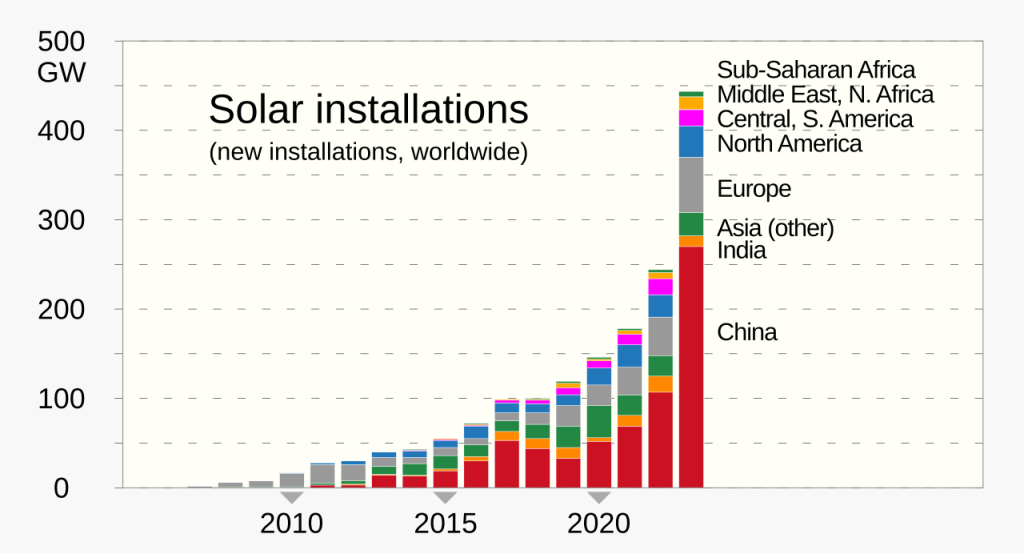
يوضح هذا الرسم البياني الإضافات السنوية الجديدة للطاقة الشمسية حسب المنطقة منذ عام 2007، وبلغت ذروتها عند 649 جيجاوات على مستوى العالم في عام 2026. مع إضافة 581 تيراواط ساعة من الطاقة الشمسية إلى شبكة الكهرباء الأمريكية في عام 2025, ، يتعاظم انكشاف المخاطر، مما يؤكد الضرورة التجارية لـ"تقنية الطاقة الشمسية المضادة للعزل"."
استراتيجيات متقدمة لمنع التغذية الراجعة في أنظمة الطاقة الشمسية الكهروضوئية الحديثة
لمواجهة "الألواح الشمسية لمواجهة تحديات " منع التغذية الراجعة"، تدمج العواكس المتصلة بالشبكة الحديثة دفاعات متعددة الطبقات، مما يضمن إيقاف تشغيل الأنظمة فورًا أثناء حدوث أي شذوذ. وهذا لا يلتزم فقط بـ "معايير IEEE 1547 للطاقة الشمسية" بل يحسن الأداء أيضًا لشركات الطاقة.
- آليات منع الدوائر المنفصلة تكتشف المحولات الحاصلة على شهادة UL 1741 انقطاع التيار الكهربائي في غضون ثوانٍ، وتوقف الإخراج لمنع حدوث حالة "جزيرة كهربائية". وتُظهر بيانات الفعالية نجاحًا بنسبة تزيد عن 99% في سيناريوهات الوحدة الواحدة، على الرغم من أن التركيبات متعددة الألواح الكهروضوئية تتطلب خوارزميات محسّنة.
- حلول الإيقاف السريع: يُلزم معيار NEC 690.12 بإيقاف التشغيل على مستوى الوحدة، مما يخفض الجهد إلى مستويات آمنة في حالات الطوارئ - وهو أمر حيوي لـ "سلامة الألواح الشمسية على الأسطح"."
- الضوابط المتفاعلة مع الشبكة تتطلب العواكس إشارة شبكة مستقرة؛ بدونها، تتوقف عن العمل، متجنبة "التغذية العكسية للطاقة الشمسية أثناء انقطاع التيار"."
- أفضل الممارسات للربط البيني: تلتزم نقاط التوصيل الموجودة على جانب الخط مقابل تلك الموجودة على جانب الحمل، عند استخدامها مع قواطع التغذية العكسية، بقاعدة 120%، مما يمنع حدوث الحمل الزائد.
يمكن للشركات الشمسية التي تستفيد من هذه تحقيق تقييمات "أمان العاكس المتصل بالشبكة" التي تجذب العملاء المتميزين. تدمج تصميمات Sunpal هذه، متجاوزة المعايير للتركيبات المرنة والمربحة.
تحليل البيانات 2: فعالية تقنيات منع العزل
تقييم مقاييس الأداء
| نوع التكنولوجيا | وقت الكشف (ثواني) | معدل النجاح (%) | مخاطر فشل متعدد PV |
| الأساليب السلبية | 1-2 | 95 | منخفضة |
| الطرق النشطة | 0.5-1 | 98 | متوسط |
| هجين (UL 1741) | أقل من 0.5 | 99+ | منخفض مع تحديثات |
يكشف هذا التحليل، المستند إلى بيانات معهد أبحاث الطاقة الكهربائية (EPRI) والجمعية الدولية للمهندسين الكهربائيين والإلكترونيين (IEEE)، عن تفوق الأنظمة الهجينة، حيث تقلل من مخاطر الانعزال بنسبة 90% في المناطق التي تشهد انتشارًا واسعًا للطاقة الشمسية. وبالنسبة للشركات التي تبحث عن "فعالية أنظمة منع الانعزال في مجال الطاقة الشمسية"، فإن هذه البيانات تدعم الاستثمار في التقنيات المعتمدة لتحقيق وفورات على المدى الطويل.
الامتثال وأفضل الممارسات لعمليات الطاقة الشمسية المستدامة
الالتزام التنظيمي أمر أساسي لـ "تركيبات الطاقة الشمسية المتوافقة مع NEC". اتبع أحدث إصدارات NEC (2023/2026) و IEEE 1547-2020 وإرشادات المرافق لتجنب العقوبات. تشمل أفضل الممارسات:
- تعهيد مُركِّبين معتمدين لـ "تدقيق إرجاع الطاقة في أنظمة الطاقة الشمسية"."
- تطبيق أدوات المراقبة لتتبع الصادرات والشذوذ.
- الصيانة الدورية للحفاظ على "سلامة الألواح الشمسية المتصلة بالشبكة"."
نهج صن بال: نقوم بتضمين حماية متعددة المستويات، مما يساعد الشركات التي تبحث عن "حلول لمنع ظروف الطاقة الشمسية" على إيجاد حلول جاهزة تقلل المخاطر وتعزز الكفاءة.
الرسم البياني 2: تطور معايير السلامة الشمسية
تصوير تأثير تحديثات NEC على منع التغذية الخلفية:
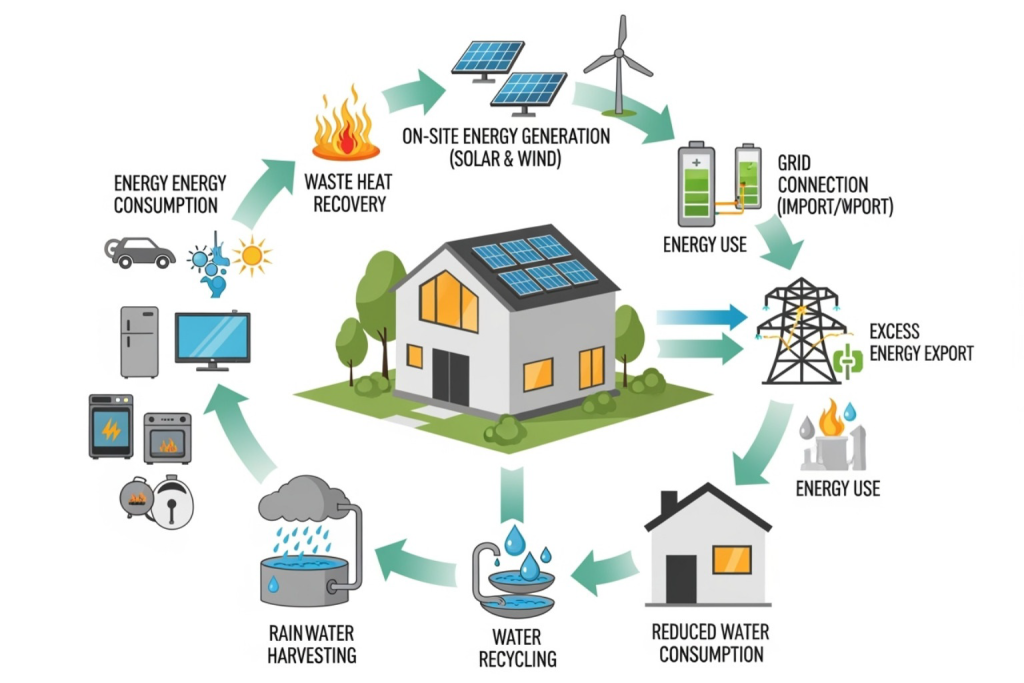
تُظهر هذه الرسوم البيانية المعالم الرئيسية، مثل قرارات الإغلاق الفوري، والتي تزامنت مع انخفاض بنسبة 40% في عدد المخاطر المبلغ عنها منذ عام 2020.
تأمين مستقبل الطاقة الشمسية الخاص بك: ما وراء مخاطر التغذية الراجعة
باختصار، إتقان "التخفيف من مخاطر تغذية الطاقة الشمسية العكسية" من خلال العزل التلقائي، والإيقاف السريع، والتصاميم المتوافقة يحوّل العوائق المحتملة إلى مزايا تنافسية. مع توقع أن يبلغ معدل النمو السنوي المركب لقطاع الطاقة الشمسية 7.841٪ حتى عام 2033, ، قد تواجه الشركات التي تتجاهل هذه تداعيات متزايدة وسط نمو بطيء ولكنه ثابت ليصل إلى 649 جيجاوات في عام 2026. في Sunpal، نقوم بتصميم أنظمة تعطي الأولوية للسلامة، مما يضمن تحقيق استثماراتك في الخلايا الكهروضوئية عوائد غير منقطعة.
هل أنت مستعد لتحسين نظامك الشمسي المتصل بالشبكة؟ اتصل بسن بال لتقييم امتثال مجاني.